
LUPUS DISEASE

What Is Lupus?

Lupus is a chronic autoimmune disease where the immune system mistakenly attacks healthy tissues and organs. This “friendly fire” causes widespread inflammation and can damage various body systems, including the skin, joints, kidneys, heart, lungs, and brain.
Common Symptoms of Lupus

Lupus is often called “the great imitator” because its symptoms often mimic other illnesses and vary significantly between individuals.
Characteristics Of Lupus

- Extreme fatigue: Profound tiredness that does not improve with rest.
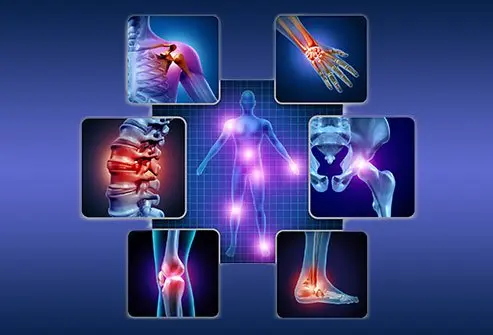
- Joint and muscle pain: Often accompanied by swelling and stiffness, particularly in the morning.
- Skin rashes: A characteristic butterfly-shaped rash (malar rash) across the cheeks and bridge of the nose is a common sign.
- Sun sensitivity (Photosensitivity): Exposure to sunlight or even fluorescent light can trigger or worsen rashes and other symptoms.
- Fever: Low-grade fevers (typically between 100°F and 101°F) that are not caused by an infection.
- Chest pain: Sharp pain when breathing deeply, caused by inflammation in the lining of the lungs or heart.
- Hair loss: Patchy or widespread thinning of the hair.
- Mouth and nose sores: Usually painless ulcers that appear on the roof of the mouth or inside the nose.
- Raynaud’s phenomenon: Fingers or toes turning white, blue, or purple when exposed to cold or stress
- Some adults may have a period of SLE symptoms known as flares which resolve and are separated by periods of remission. The frequency of flares and remission varies among people, sometimes extending to years.
Symtoms by Affected Organ System

- Kidneys: Swelling in the legs, ankles, or feet (edema) and foamy urine due to excess protein.
- Brain/Nervous System: Headaches, confusion, memory loss, dizziness, and in rare cases, seizures or strokes.
- Heart and Lungs: Shortness of breath and inflammation of the heart muscle or the sac around it.
- Blood: Anemia (low red blood cell count) or low white blood cell and platelet count
How does a person get lupus?
The exact cause of SLE is unknown. Researchers believe a combination of environmental, genetic, and hormonal factors may contribute to getting lupus.
Environmental factors include the following:
- Exposure to UV rays
- Microbial response
- Certain medications
- Silica dust
- Cigarette smoking
- Sensitivity to light
Other risk factors include the following:
- Family history of SLE
- Female sex
- Chronic infections
- Use of estrogen in menopausal women
- Vitamin D deficiency
- Pregnancy (but breastfeeding has been shown to decrease the risk of SLE)
Early-life risk factors include the following:
- Low birth weight (<2,500 g)
- Preterm birth (birth that occurs before the 37th week of pregnancy)
- Exposure to pesticides during childhood
What are the complications of lupus?
The complications that accompany SLE are as follows:
- Lupus nephritis (kidney problems caused by Lupus)
- Dysphagia (difficulty in swallowing)
- Lymphadenopathy (swollen lymph nodes)
- Lupoid hepatitis (liver disease)
- Fibromyalgia (muscle pain and tenderness)
- Pancreatitis (inflammation in pancreas)
- Infections
- Coronary heart disease (damage or disease in the heart’s major artery)
- Blood clots